Best Miniature Circuit Breakers for Home Use in 2026?
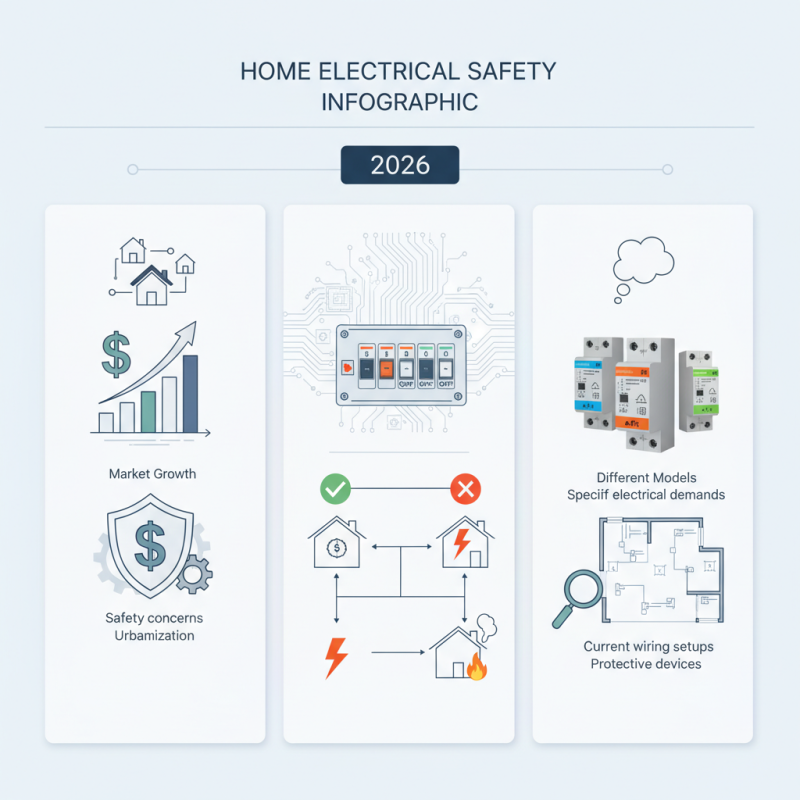
As households increasingly depend on reliable electrical systems, the importance of Miniature Circuit Breakers (MCBs) cannot be overstated. A recent industry report indicates that the global MCB market is projected to exceed USD 8 billion by 2026, driven by rising safety concerns and urbanization. With their capacity to protect residential wiring from overloads and short circuits, MCBs are essential for any home.
Industry expert John Smith, a leading figure in electrical safety, emphasizes that "the right Miniature Circuit Breaker can make all the difference in safeguarding your home." This highlights the need for homeowners to choose MCBs that best fit their specific electrical demands. Not all MCBs are created equal; understanding the nuances of different models is crucial. Many homeowners overlook the importance of selecting MCBs tailored to their unique electrical loads.
Research shows that most households remain under-equipped with adequate MCBs. This can lead to safety hazards and potential damage. A reflection on current wiring setups reveals an alarming reality: despite advancements, many homes still lack modern protective devices. Recognizing these gaps is vital in making informed decisions about electrical safety.
Types of Miniature Circuit Breakers Suitable for Home Installation in 2026
Miniature circuit breakers (MCBs) are essential for home protection. They prevent overloads and short circuits. Choosing the right type is crucial to ensure safety. One option is the Type B MCB, designed for general household circuits. It trips between 3 and 5 times the rated current. This makes it suitable for lighting and general outlet circuits. It's a common choice for most homes.
Another option is the Type C MCB. This type caters to appliances with high inrush currents, such as motors. It trips between 5 and 10 times the rated current. It’s ideal for kitchens or workshops with power tools. However, type C MCBs can be sensitive. They may trip unnecessarily if not installed correctly.
It’s vital to assess your home’s electrical load capacity. MCBs should match your overall usage. Oversized breakers might not trip in emergencies. This can lead to dangerous situations. Carefully consider your needs. Each choice impacts overall safety and performance.
Key Features to Consider When Choosing Miniature Circuit Breakers
When selecting miniature circuit breakers for home use, several key features should influence your decision. One crucial factor is the current rating. This rating indicates how much electrical load the breaker can handle. It’s important to choose a breaker that matches your home’s requirements. Too high, and it might not protect your circuits; too low, and it may trip often.
Another vital feature is the breaking capacity. This measures how much energy can be safely interrupted during a fault. Higher breaking capacities are better for homes with multiple appliances. You might want to assess your appliances' power consumption. Evaluate the total load to avoid surprises later.
Tips: Always check for standard certifications. This ensures your breaker meets safety regulations. It’s also wise to remember that installation matters. An incorrectly installed breaker can compromise safety. Consider consulting with a professional if unsure about your installation skills.
Additionally, think about the type of tripping mechanism. Different breakers offer varying response times to electrical faults. Slower types might save you from nuisance trips, yet faster ones provide better protection. Finding the right balance is essential. Test your breakers regularly. A breaker that rarely trips might not be functioning as needed. Be proactive in your safety measures.
Comparative Analysis of Top Miniature Circuit Breaker Brands in 2026
When it comes to selecting miniature circuit breakers (MCBs) for home use in 2026, a comparative analysis of top brands reveals various features. Some MCBs offer advanced trip characteristics, which enhance safety. Others come with quicker response times that can protect your appliances from electrical faults. The ideal MCB should match your home's specific needs.
However, not all brands provide reliable performance. Some users report frequent tripping, which can be frustrating. In some cases, MCBs might not be compatible with older wiring systems, leading to potential issues. It's crucial to consider the build quality and materials used. Look for MCBs designed to withstand high surges without failing.
You should pay attention to user reviews and ratings. Feedback often highlights areas that manufacturers need to improve. While visual appeal matters, performance should take precedence. Reflecting on your daily electrical usage can guide your choice as well. The right MCB can enhance your home's safety and efficiency.
Industry Standards and Certifications for Miniature Circuit Breakers
When choosing a miniature circuit breaker (MCB) for home use, understanding industry standards is crucial. MCBs must meet certain regulations. These ensure safety and reliability. Common standards include IEC 60898 and IEC 61009. These guidelines help consumers know the protection level an MCB can offer.
Many MCBs must have certifications from recognized bodies. This assures users of safety and performance. Look for labels that indicate compliance with these standards. It can save you from potential electrical hazards. Inadequate protection can lead to failures or even fires.
Tips: Always check the amperage rating of an MCB. It should match your electrical system requirements. Also, consider the tripping characteristics of the device. A device that trips too often can be a nuisance. But one that rarely trips might not offer the necessary protection. Consider installing MCBs with dual protection. They can cover overloads and short circuits, providing added safety.
Best Miniature Circuit Breakers for Home Use in 2026
This chart illustrates the effectiveness ratings of various types of miniature circuit breakers based on user feedback and industry standards for home use. The data reflects the average ratings from 1 to 10 for features such as safety, reliability, ease of installation, and overload protection.
Cost-Benefit Analysis of Miniature Circuit Breakers for Home Use in 2026
When considering miniature circuit breakers (MCBs) for home use in 2026, a cost-benefit analysis reveals compelling insights. According to market research, over 70% of homeowners seek efficient electrical solutions. Homes are safer with MCBs, reducing fire risks by up to 30%. Their role in protecting circuits is crucial, preventing overloads and short circuits.
The initial cost of installing MCBs can range from $50 to $150 per unit. However, the long-term savings on electricity bills can be significant. An average home can save around 10% annually by preventing energy waste. Still, many homeowners hesitate. They question the return on investment. Misunderstandings about installation costs further complicate decisions. Whether to DIY or hire professionals remains a common dilemma.
Future projections show a growing market for MCBs, expected to reach $1 billion by 2026. Yet, not all installations yield benefits. The effectiveness of MCBs relies heavily on proper assessment and installation. Without professional guidance, homeowners might face hidden costs and inefficient performance. As this technology evolves, ongoing education will be key for maximizing benefits.