
Finding reliable Function T-shirt & Inner Wear suppliers in China requires more than comparing product photos. Fabric performance, factory experience, quality control, and communication can determine whether a promising order succeeds. This guide introduces ten suppliers that deserve closer attention for sportswear, workwear, base layers, and private-label collections.
The evaluation considers fabric composition, moisture management, breathability, stitching quality, customization options, minimum order quantities, and production capacity. A dependable supplier should explain fabric testing clearly and provide practical samples before large-scale production. Details matter. A smooth flatlock seam, stable color after washing, and accurate size grading can protect both comfort and brand reputation.
Supplier verification also includes certifications, factory audits, export experience, and transparent lead times. However, rankings should not be treated as permanent facts. Manufacturing teams change, equipment is upgraded, and service quality may vary between orders. Some suppliers may excel at high-volume basics but struggle with complex designs. Others may offer excellent development support while requiring higher minimum quantities.
This article aims to provide a realistic starting point for buyers, not an unquestionable final verdict. Request current samples, confirm test reports, and discuss packaging requirements directly. A careful buyer should also compare quotations beyond unit price, including sampling fees, inspection costs, shipping terms, and after-sales support. Small checks often reveal large differences. With practical research and honest supplier communication, businesses can make more confident sourcing decisions in China’s Function T-shirt & Inner Wear market.
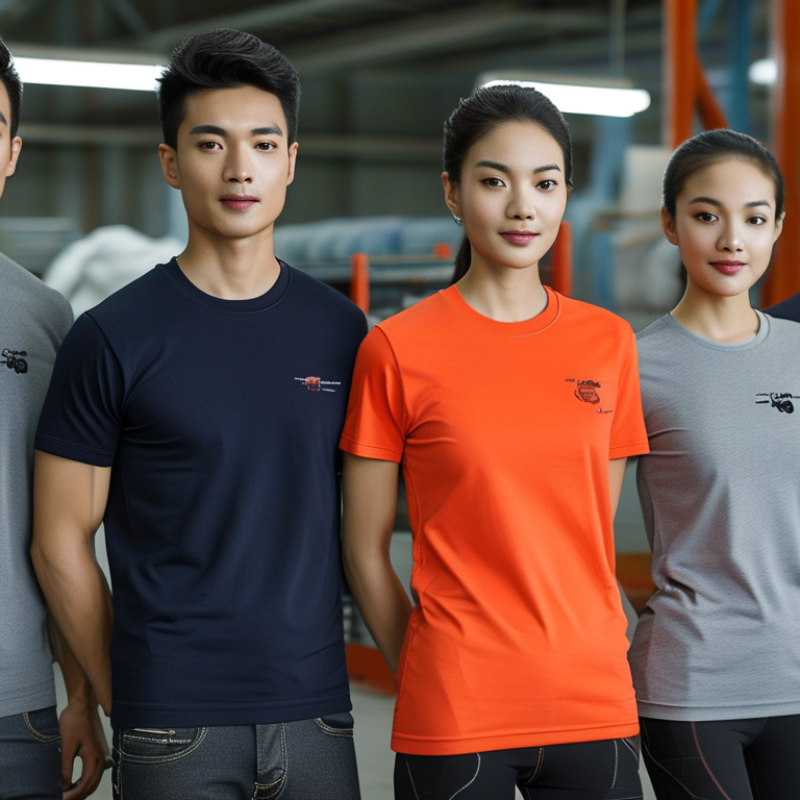
Functional T-shirts and inner wear are designed to manage heat, sweat, movement, and skin comfort. They use engineered fibers, mesh zones, flat seams, and controlled stretch. A useful base layer should dry quickly without feeling harsh. Fit matters more. A loose shirt traps moisture, while tight inner wear may restrict breathing and movement.
Industry data shows why this category is growing. Grand View Research valued the global sports apparel market at about USD 214 billion in 2023. It also projects steady growth through 2030. Textile Exchange’s Materials Market Report 2024 recorded polyester as roughly 57% of global fiber production in 2023. This explains its common use in quick-drying garments. However, fiber choice alone does not prove performance. Fabric weight, knitting structure, finishing quality, and wash durability matter equally.
In practical evaluation, check drying time, stretch recovery, seam pressure, and odor after repeated washing. Inner wear should remain comfortable under a shirt, during travel, or beside humid outdoor conditions. Claims such as “antibacterial” need clear test methods and measurable results. The label is not magic. Some products feel cool at first but become clammy later. A 2024 consumer textile report from the International Textile Manufacturers Federation also highlights stronger demand for comfort, performance, and responsible material use. Suppliers should provide fabric test reports, size tolerances, and care instructions. These details make comparison more reliable, although testing every real-life condition remains difficult.
| No. | Supplier Profile | Primary Product Focus | Common Fabric Composition | Typical Fabric Weight | Main Functional Features | Common Order Range | Relevant Quality Documents |
|---|---|---|---|---|---|---|---|
| 1 | Performance sportswear manufacturer | Training T-shirts, running tops and base layers | Polyester or recycled polyester with elastane | 120–180 g/m² | Moisture wickingQuick dryingFour-way stretch | Usually suitable for medium-to-large production runs | Fiber-content report; colorfastness test; restricted-substance documentation |
| 2 | Seamless underwear specialist | Seamless briefs, camisoles and lightweight inner layers | Polyamide or polyester with elastane | 80–160 g/m² | Low-bulk seamsBody contouringStretch recovery | Often available from sampling to bulk orders | Dimensional-stability test; stretch-recovery test; needle and seam inspection |
| 3 | Organic and natural-fiber apparel supplier | Cotton innerwear and everyday functional T-shirts | Organic cotton, cotton-modal or cotton-elastane | 140–220 g/m² | Soft hand feelBreathabilityEveryday comfort | Small-batch sampling and standard bulk production | Organic-fiber scope certificate where applicable; shrinkage test; colorfastness test |
| 4 | Thermal base-layer manufacturer | Cold-weather undershirts, leggings and thermal underwear | Polyester, acrylic, wool blend or synthetic-elastane blend | 180–320 g/m² | Thermal insulationBrushed interiorMoisture management | Generally targeted at seasonal medium-to-large orders | Thermal-resistance test; pilling test; dimensional-stability report |
| 5 | UV-protective outdoor apparel supplier | Sun-protection T-shirts and outdoor base layers | Polyester or nylon with elastane | 130–200 g/m² | UV protectionFast dryingAbrasion resistance | Typically requires fabric and color approval before bulk production | UPF test report; colorfastness to perspiration; abrasion-resistance test |
| 6 | Antimicrobial textile supplier | Odor-control undershirts, sports underwear and workwear base layers | Polyester, polyamide or cotton with an antimicrobial treatment | 130–220 g/m² | Odor controlMoisture wickingWash durability | Usually requires treatment-performance confirmation and wash testing | Antimicrobial efficacy test; wash-durability test; chemical compliance documentation |
| 7 | Compression-wear manufacturer | Compression T-shirts, support tops and athletic inner layers | Polyamide or polyester with a higher elastane percentage | 180–280 g/m² | Graduated compression optionsMuscle supportShape retention | Best suited to technical specifications and size-set approval | Compression-pressure test; stretch-recovery test; seam-strength test |
| 8 | Recycled-material sportswear supplier | Eco-focused activewear T-shirts and base layers | Recycled polyester with elastane or recycled polyamide | 120–210 g/m² | Quick dryingLightweightRecycled content | Custom labels and packaging are commonly available for bulk orders | Recycled-content certificate; fiber-content verification; colorfastness test |
| 9 | Industrial and workwear base-layer supplier | High-visibility inner layers and durable work T-shirts | Polyester, cotton-polyester or modacrylic blends | 160–260 g/m² | DurabilityMoisture managementOptional flame resistance | Usually produced against technical specifications and compliance requirements | Relevant protective-clothing test reports; seam-strength test; abrasion test |
| 10 | Private-label underwear and basics manufacturer | Custom-logo T-shirts, briefs, vests and everyday innerwear | Cotton, modal, viscose, polyester and elastane blends | 100–220 g/m² | Custom sizingLabel applicationComfort stretch | Often supports prototypes, size sets and private-label bulk orders | Measurement chart; shrinkage report; colorfastness and fiber-content tests |
| What Are Functional T-Shirts and Inner Wear? Functional T-shirts and inner wear are garments engineered to provide benefits beyond basic coverage, such as moisture control, thermal regulation, stretch, odor management, UV protection, compression, softness or durability. Actual performance depends on the fabric construction, finishing process, garment design and verified test results. | |||||||
| Evaluation dimensions used in this comparison: product specialization, fiber composition, fabric weight, functional performance, order suitability and quality documentation. The profiles above describe common China-based supplier categories and industry-standard specifications rather than named companies or brands; exact minimum order quantities, prices, certifications and test results must be confirmed directly for each project. | |||||||