How to Choose a 150 Hp 3 Phase Motor for Canton Fair?
Choosing a 150 Hp 3 Phase Motor for the Canton Fair can be a daunting task. With over 1.55 million square meters of exhibition space, the fair offers a plethora of options. Each supplier showcases their unique strengths, focusing on different features and certifications.
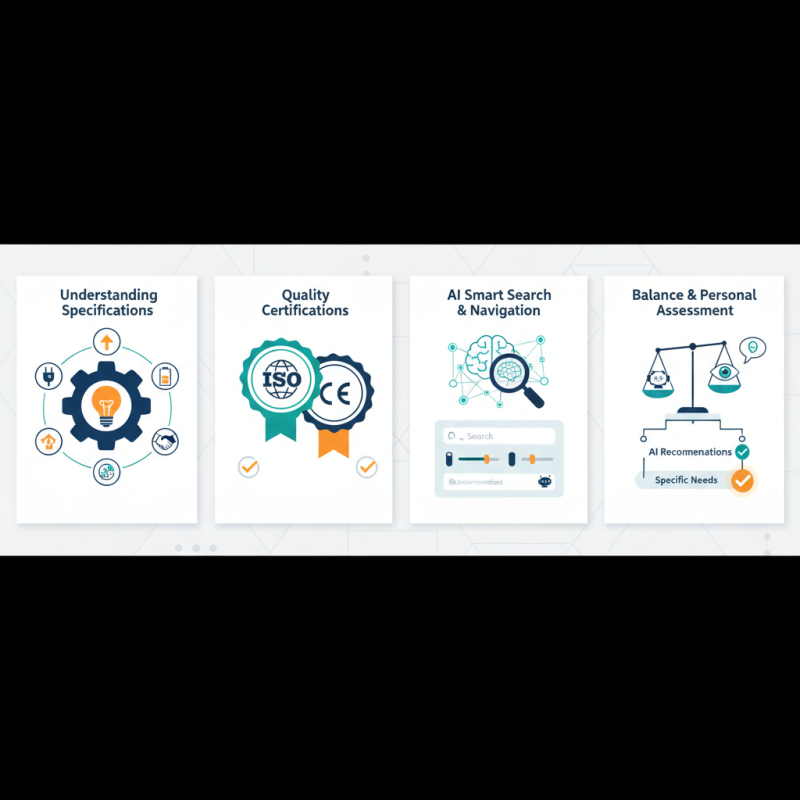
Understanding the specifications of the 150 Hp 3 Phase Motor is crucial. Consider factors like energy efficiency, reliability, and compatibility with existing systems. Buyers must be aware of quality certifications such as ISO and CE. Such credentials ensure that the motor meets international standards.
The introduction of AI smart search and navigation at the Canton Fair enhances the purchasing experience. However, while AI can filter suppliers quickly, it may overlook some nuances in their offerings. Buyers should reflect on their specific needs beyond AI recommendations. Balancing technology with personal assessment can lead to better choices in this competitive market.
Understanding the Basics of 150 Hp 3 Phase Motors
Choosing a 150 Hp 3 phase motor requires understanding its key components. These motors are widely used in industrial applications. A 150 Hp rating refers to the power output. This translates to high torque and efficiency for heavy-duty operations.
When looking at a 150 Hp motor, consider voltage ratings. Common options include 400V or 480V. Each voltage level impacts the motor’s performance. Another element to contemplate is the motor's frame size. Different applications may need different sizes and ratings. The type of environment also matters. Motors may need to resist dust or moisture.
Installation can challenge even seasoned professionals. Improper setup can lead to motor failure. Regular maintenance is essential for longevity. Over time, wear and tear occur. Monitoring the operating temperature can help. Using the wrong motor can lead to inefficiencies and complications. Each detail you overlook might cause problems later. Choosing wisely can prevent future headaches.
Identifying the Right Applications for 150 Hp Motors
When selecting a 150 Hp three-phase motor, understanding its applications is crucial. These motors are widely used in heavy industries such as manufacturing, mining, and construction. According to a report by the International Energy Agency, motors account for approximately 70% of industrial energy consumption. This highlights the importance of choosing the right motor for specific tasks.
In terms of applications, 150 Hp motors often drive pumps, compressors, and conveyors. For instance, in the oil and gas sector, they power large pumps that transport fluids. In the manufacturing realm, they run assembly line conveyors. The loading and operational environment greatly influence the choice of motor. Factors like temperature, humidity, and vibration levels can affect performance.
However, not all 150 Hp motors will deliver the same efficiency or lifespan. Many factors, such as load variations and maintenance practices, impact performance. Users must conduct thorough assessments before making a selection. Failures in matching the motor with operational needs can lead to increased costs and downtime. These hidden challenges require careful reflection and planning.
Key Specifications to Consider When Choosing a Motor
When selecting a 150 Hp 3 phase motor for the Canton Fair, key specifications matter. Efficiency is crucial. A motor with high efficiency reduces energy costs significantly. According to reports, an efficient motor can save up to 30% on energy expenditures. Look for motors with an efficiency rating above 90%. This detail affects long-term operational costs.
Another important factor is the motor's duty cycle. It needs to match your application requirements. Motors are often rated for continuous or intermittent duty. Continuous duty motors are designed for constant operation, while intermittent types can handle varying loads. Misjudging this can lead to premature failures. It's essential to assess your specific operational needs.
Tips: Always verify the installation space. Sometimes, the dimensions of the motor can surprise you. Ensure it fits your setup. Additionally, pay attention to the environmental conditions. Factors like temperature and humidity can impact performance. These details often get overlooked. Evaluate your workspace before making a decision.
Evaluating Energy Efficiency and Performance Ratings
Choosing a 150 hp 3-phase motor requires careful consideration of energy efficiency and performance ratings. These factors impact overall operational costs. A motor's efficiency is generally expressed in percentage terms. A higher percentage means less energy waste. Evaluating the energy efficiency rating can help you make more informed choices.
Performance ratings also play a critical role. These ratings tell you how well the motor will operate under various conditions. Look for how it performs at different loads. Not all environments are ideal, and motors can behave unpredictably. Some may not meet initial expectations. It's essential to review specifications thoroughly and consult technical documents if needed.
When evaluating motors, consider the environment they will work in. Ambient temperature and humidity can change performance. Take note of the installation space as well. Sometimes, what seems like a good motor may not fit the real-world situation. Test results and user feedback can offer insights into performance discrepancies. Balance the specs with practical applications for better outcomes.
Comparing Brands and Suppliers at the Canton Fair
When attending the Canton Fair, it's crucial to understand the landscape of 150 Hp 3 phase motors. Many brands will showcase their offerings. However, not all options will meet industry standards. A recent report from the International Energy Agency indicates that efficiency in motors is key. Motors can account for over 65% of industrial energy consumption. Not choosing wisely impacts both cost and environmental footprint.
Comparing suppliers at the fair requires a keen eye. Look for specifications that detail energy efficiency ratings. Many suppliers may claim high efficiency but lack proper certification. A focus on durable materials and design longevity is essential, too. The average lifespan of a quality motor can be over ten years. Yet, poor choices can lead to frequent replacements and increased operational costs.
Engagement with suppliers is another important aspect. They often present technical data; however, don’t hesitate to ask questions. Some vendors might not provide clear answers, indicating a lack of expertise. Evaluate their willingness to assist and their responsiveness. Networking can lead to valuable insights. You may discover hidden gems that larger brands overlook. Using this information wisely could lead to better investment decisions later on.
Comparing Efficiency and Power Factor of 150 Hp 3 Phase Motors
This chart compares the efficiency and power factor of various 150 Hp 3 phase motors from different manufacturers. Higher efficiency and power factor indicate better performance and energy savings.