
How to Choose EV Charging Points in 2026?

Choosing Ev Charging Points in 2026 requires more than comparing charging speeds and glossy product images. A suitable point must match your vehicle, electrical supply, parking habits, and long-term budget. A home driver may value dependable overnight charging, while a busy workplace needs several connectors, clear access, and reliable user management. Public-site operators face different demands, including payment systems, weather protection, maintenance access, and accurate availability data.

Begin with the basics. Check the vehicle’s maximum AC and DC charging rates. Then confirm the property’s electrical capacity with a qualified installer. A powerful charger may look attractive, but it can become an expensive underused asset. Cable length matters beside a narrow driveway. So does screen visibility during winter rain. These small details often shape daily satisfaction more than peak output.

Look for recognised safety certification, software update support, warranty coverage, and transparent installation terms. Smart load management can prevent unnecessary electrical upgrades, especially where several vehicles charge together. Accessibility should also influence the layout, not appear as an afterthought. Regulations and technical requirements vary by location, so verify current local guidance before purchasing. No checklist is perfect. Real usage may expose assumptions that product brochures hide. A careful decision combines manufacturer documentation, independent technical advice, and observations from actual charging sites. The best EV Charging Points are not always the fastest. They are the ones that remain safe, practical, and dependable after the excitement of installation fades.
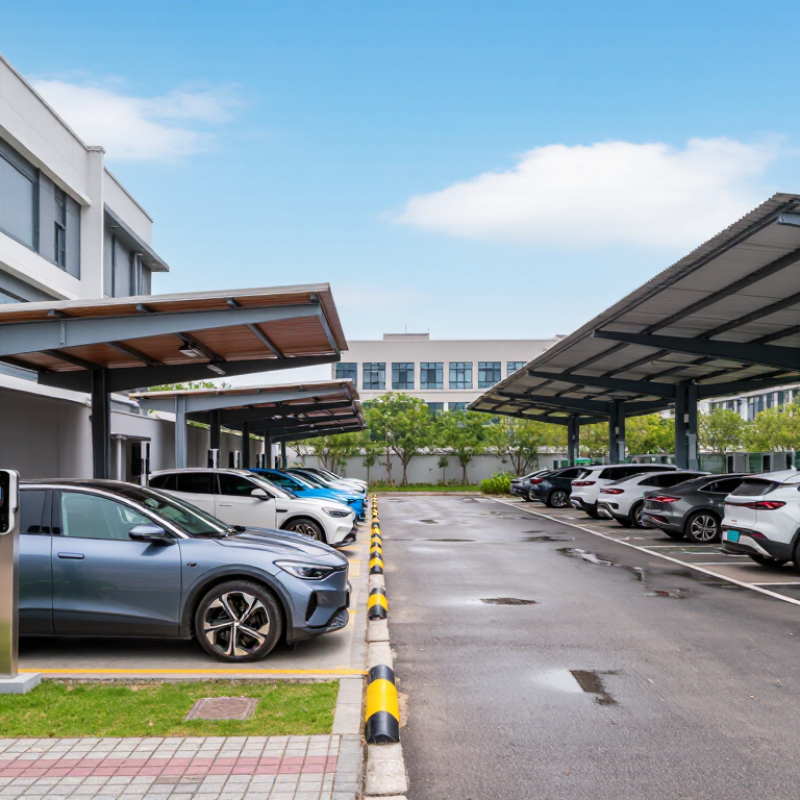
How to Choose EV Charging Points in 2026?

EV Charging Point Types and Their Key Differences

How to Choose EV Charging Points in 2026?

EV charging points differ in speed, installation cost, and daily usefulness. The International Energy Agency reported over 5 million public charging points worldwide in 2024, with more than 1.3 million added that year (IEA, Global EV Outlook 2025). This growth creates more choice, but not every socket suits every vehicle.

AC charging usually fits homes, offices, and hotels. A 7.4 kW unit can add roughly 40–50 kilometres of range per hour, depending on the vehicle. A 22 kW unit may be faster, but only vehicles with suitable onboard chargers can use its full output.

DC fast chargers deliver power directly to the battery. Common public units range from 50 kW to above 300 kW. Higher power helps during motorway stops, though battery temperature, state of charge, and vehicle limits can reduce actual speed.

Check the connector standard and cable length carefully. A short cable becomes frustrating beside a narrow parking bay. Smart load management also matters in buildings with limited electrical capacity. The U.S. Department of Energy notes that charging behaviour and local grid conditions strongly affect infrastructure planning (AFDC, 2024).

I would not choose the highest-rated charger automatically. It may cost more, remain underused, or require expensive electrical upgrades. A better decision compares parking time, vehicle acceptance, weather exposure, payment access, and expected traffic. Data helps. Real parking habits matter more.


Assessing Charging Speed, Connector Standards, and Vehicle Compatibility

How to Choose EV Charging Points in 2026?

Assessing Charging Speed, Connector Standards, and Vehicle Compatibility

Choosing an EV charging point in 2026 starts with the vehicle, not the screen. Check the handbook for accepted AC and DC input limits. A 150 kW station cannot force a car to accept 150 kW. Charging speed depends on battery temperature, charge level, and the vehicle’s charging curve. A cold battery may charge much slower during the first minutes. Plan for that delay.

Connector standards matter just as much. Confirm the plug shape, pin layout, and communication protocol before driving to a site. AC charging usually connects through the vehicle’s onboard charger. DC charging sends power through the station more directly. Some vehicles need an approved adapter, but physical fit does not guarantee compatibility. The connector may click in, yet charging can still fail. That mistake wastes time.

Compare advertised power with usable charging speed. A station may share capacity between two bays, reducing output. Check cable length, accessibility, payment reliability, and status information. Cold batteries charge slowly. In hot weather, cooling limits may appear. Match the connector and peak output to the vehicle manual, then leave a margin. I would not rely on one directory. Data can be outdated. Verify station details shortly before departure.

Comparing Installation Requirements, Costs, and Energy Availability

How to Choose EV Charging Points in 2026?

When choosing an EV charging point in 2026, start with the building, not the charger. A qualified electrician should inspect the main panel, cable route, grounding, and available circuit capacity. Older homes may need a panel upgrade, trenching, or weatherproof protection for an outdoor socket. That preparation can cost more than the charging unit itself. Check local electrical rules and permit requirements before ordering equipment. Small details matter.

Installation costs usually include the charger, cables, labor, permits, and possible electrical upgrades.

A simple indoor installation may be relatively affordable, while a detached garage can require longer cabling and ground excavation. Ask for an itemized quotation, not a single total. It helps expose hidden charges. I would also request a load calculation, because a cheaper installation can become unsafe or expensive later. A certified installer and documented test results add practical reassurance.

Energy availability deserves equal attention.

Confirm whether your property can support the desired charging speed during peak demand. A smart charging point can schedule charging during lower-rate periods, but tariffs differ by location. Solar generation may help, although winter output can be disappointing. In shared buildings, available capacity may be limited by the existing supply. This is often overlooked. Leave room for future electrical demand, such as heating or another vehicle. My own preference is not always the fastest charger; dependable overnight charging may be the more sensible choice.

Evaluating Smart Features, Safety Measures, and Network Reliability

How to Choose EV Charging Points in 2026?

Choosing an EV charging point now involves more than power output. Smart controls should show live status, charging history, and energy use. Remote scheduling can shift charging away from expensive evening periods. Load management also prevents several vehicles from overloading one building connection. These features sound impressive. Test them in practice.

Safety deserves closer inspection. Look for recognized electrical certification and clear protection against overcurrent, overheating, and residual current faults. Outdoor units need strong weather resistance, sealed connectors, and durable cable storage. A visible emergency stop button helps during confusing moments. Installation quality matters just as much as the unit itself. Ask whether a qualified electrician will inspect grounding, cable routes, and ventilation. Small shortcuts can create expensive problems later.

Network reliability is often overlooked until a driver cannot start a session. Check coverage at the intended site, not only on a service map. The system should support local authorization when connectivity fails. It should also record transactions accurately after reconnection. Ask about uptime targets, maintenance response, and outage communication. A simple support process is valuable at 7 a.m. on a wet Monday. I would still test the charger with several phones and vehicles. Not every advertised feature works smoothly. That is an uncomfortable, useful finding. Choose the system that remains understandable when the network, weather, or user behaves imperfectly.

How to Choose EV Charging Points in 2026? - Evaluating Smart Features, Safety Measures, and Network Reliability

Evaluation Dimension What to Check Recommended Benchmark for 2026 Evidence to Request Suggested Weight
Charging Performance Output power, connector compatibility, phase configuration, and current limits. Select power according to vehicle capability and site capacity. For AC charging, verify compatibility with the vehicle’s onboard charger; for DC charging, verify the supported charging standard and voltage range. Technical datasheet, electrical single-line diagram, connector specification, and vehicle compatibility list. 20%
Smart Charging Load balancing, scheduled charging, power limits, tariff-based control, and renewable-energy integration. Dynamic load management should prevent the combined charging load from exceeding the site’s configured electrical limit. Scheduling should support time zones, recurring schedules, and user override controls. Live demonstration, load-management test report, configuration screenshots, and documented fail-safe behavior. 15%
Interoperability Open communication protocols, roaming capability, payment options, and data portability. Support for OCPP 1.6 or later is a practical minimum for backend communication; OCPP 2.0.1 provides expanded device management, security, and transaction features. ISO 15118 support is useful where Plug & Charge or advanced vehicle-to-grid functions are required. Protocol compliance statement, API documentation, roaming test results, and confirmation of offline payment procedures. 12%
Electrical Safety Residual-current protection, overcurrent protection, surge protection, insulation monitoring, and emergency shutdown. The installation should comply with applicable local electrical codes and relevant EV charging requirements. AC installations commonly require appropriate RCD protection, while DC equipment should include the protection specified by its design and local regulations. Declaration of conformity, test certificates, protection-device ratings, commissioning records, and inspection schedule. 15%
Environmental Protection Ingress protection, operating temperature, corrosion resistance, impact resistance, and drainage. Choose an enclosure rating suitable for the installation location. IP54 indicates protection against limited dust ingress and water splashes; outdoor sites may require a higher rating based on exposure, installation method, and local conditions. IP test report, temperature range, impact rating, corrosion test data, and installation guidance. 8%
Cybersecurity and Privacy Encrypted communications, secure credential storage, role-based access, firmware updates, and personal-data handling. Use encrypted communications such as TLS where supported, unique administrator credentials, signed or authenticated firmware updates, audit logs, and a documented vulnerability-response process. Security architecture, penetration-test summary, patch policy, incident-response procedure, and data-retention policy. 10%
Network Reliability Connectivity options, backend availability, offline operation, remote monitoring, and incident response. Prefer wired or stable cellular connectivity with automatic reconnection. The charger should continue safe local operation during temporary network loss, store transaction data securely, and synchronize after reconnection. Require a documented service-level target rather than relying on an unsupported uptime claim. At least 12 months of anonymized uptime records, outage reports, connectivity test results, escalation contacts, and service-level agreement. 12%
Maintenance and Accessibility Mean time to repair, spare-parts availability, cable management, screen readability, lighting, and accessible reach ranges. Set a clear repair target, maintain critical spare parts locally where possible, and verify that the layout complies with applicable accessibility requirements for reach, parking space, controls, and payment interfaces. Maintenance plan, spare-parts list, technician coverage map, accessibility assessment, and service history. 8%
Total Suggested Evaluation Weight 100%

Evaluation note: Confirm all electrical, accessibility, payment, data-protection, and installation requirements against the regulations applicable in the deployment country and site.

Selecting the Best Charging Point for Home, Work, or Public Use

How to Choose EV Charging Points in 2026?

Choosing a charging point starts with the place you use most. At home, check your parking space, electrical capacity, and daily driving distance. A qualified electrician should inspect the circuit before installation. A 7 kW unit suits many overnight routines, while higher power may require costly electrical upgrades. Do not choose speed alone. Your vehicle may accept less power than the charger provides.

At work, convenience and shared access matter more than maximum charging speed. Look for load management, user authentication, and clear parking rules. Several vehicles charging together can strain the site’s supply. Dynamic power control can reduce that risk. I once assumed a faster workplace charger was always better. It was not. Queues formed because charging bays became long-term parking spaces.

Public charging points need a different inspection. Check connector compatibility, operating hours, payment options, lighting, and nearby facilities. A reliable location should display current status and provide support when a session fails. Weather protection also matters in exposed car parks. However, advertised availability may not match real-time performance. Read recent user feedback, but treat it carefully. Experiences can be incomplete or outdated.

For every setting, compare installation cost, energy price, cable length, warranty terms, and maintenance support. Keep the cable away from walking routes. Avoid placing equipment where water collects. A simple site sketch can reveal problems before purchase. The best charging point is not always the most powerful one. It is the one that fits your vehicle, routine, property, and patience.

How to Choose EV Charging Points in 2026?

Selecting the best charging point for home, work, or public use depends mainly on charging power, parking duration, and driving needs.

Typical charging power ranges from about 1.4 kW for household Level 1 charging to approximately 150 kW for high-power public DC charging. Home and workplace AC charging are usually the most practical options when a vehicle is parked for several hours, while public DC charging is better suited to long-distance travel and short stops. Actual charging speed varies by vehicle, battery state, temperature, and charger capacity.