
Choosing the right cable assembly can significantly impact your project's success. According to a recent report by the Electronic Industries Alliance, nearly 30% of manufacturing delays stem from improper cable selection. This shows the importance of making informed choices in the cable assembly process.
Cable assemblies come in various types and specifications, which makes decision-making complex. Understanding your specific requirements, such as environmental factors, signal integrity, and connection types, is critical. For example, industrial applications may require robust assemblies that can withstand harsh conditions.
Data also suggests that 25% of companies overlook detailed specifications when selecting cable assemblies. This oversight can lead to failures and increased costs. Learning from industry experiences can guide you in avoiding common mistakes. A thoughtful approach to cable assembly selection ensures reliability and efficiency in your operations.
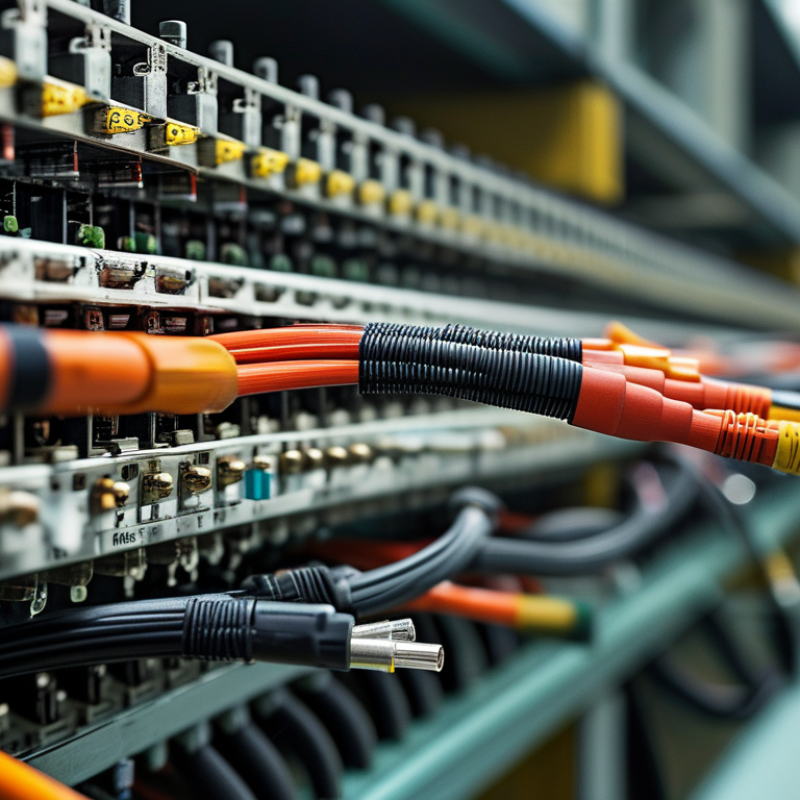
Cable assemblies are crucial in modern technology. They connect various components and ensure smooth functionality across devices. In a world reliant on electronics, a properly designed cable assembly enhances performance and reliability. Choosing the right assembly can seem daunting. However, understanding its significance can guide your decision-making process.
A well-crafted cable assembly reduces interference and ensures durability. Poor quality results in signal loss and potential damage. Consider the specific application, environmental factors, and the intended use. For instance, a cable exposed to extreme temperatures may require specialized materials. This highlights the need for thoughtful selection tailored to each scenario.
It's common to overlook these details. Many may assume any cable will suffice. This leads to issues down the line, such as malfunctions or costly repairs. A deeper understanding of cable technology can prevent these pitfalls. Effective communication with manufacturers can also foster better choices. Knowledge is key in navigating the complexities of cable assembly selection.
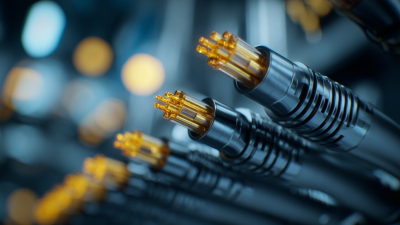
When selecting cable assemblies, it’s crucial to clearly identify your specific requirements. Start by determining the application for which the cable assembly will be used. Will it be subjected to extreme temperatures? Is flexibility essential? Recognizing these parameters helps narrow down your choices.
Think about the environment where cables will operate. For instance, if the cables are in a harsh outdoor setting, consider the material and insulation type that will provide the best durability. Not all materials perform equally under stress. Pay attention to details like connectors and wire gauges. Choosing the wrong gauge could affect performance.
Consider length and the route of the cable assembly. A cable that is too short may lead to unnecessary strain and potential failure. Overly long cables can create a cluttered space and signal loss. Experiment with different lengths to find the optimal fit.
In conclusion, take your time to assess all these factors. Every choice counts, and reflecting on past experiences can guide you to better decisions. Remember, the perfect cable assembly is one that fits seamlessly into your project without compromising performance.
| Cable Type | Application | Current Rating (A) | Voltage Rating (V) | Connector Type | Length (m) |
|---|---|---|---|---|---|
| Power Cable | Industrial Machinery | 25 | 480 | IEC 60320 C13 | 5 |
| Data Cable | Networking | 1.5 | 250 | RJ45 | 2 |
| Coaxial Cable | Telecommunications | 10 | 75 | F Connector | 3 |
| USB Cable | Peripheral Devices | 2 | 5 | USB Type A | 1 |
| HDMI Cable | Audio/Video Equipment | 1.5 | 19 | Standard HDMI | 2 |
Choosing the right cable assembly is crucial for any project's success. With multiple types available, each designed for specific applications, evaluating their characteristics can be overwhelming. According to a report by the International Electrotechnical Commission, the global demand for cable assemblies is expected to grow at a CAGR of 6.4% through 2025. This statistic underscores the importance of selecting the appropriate type that meets your demands.
When comparing cable assemblies, consider their construction. For instance, the difference between coaxial cables and twisted pairs can impact signal integrity in high-frequency applications. Coaxial cables are often favored for radio frequency transmission due to their better shielding properties. In contrast, twisted pair cables are more lightweight and cost-effective, making them suitable for standard data transmission. A study by the IEEE highlights that using the correct cable type can reduce data loss by up to 30%.
User needs also play a significant role in selection. Customization options can help address specific environmental conditions, such as resistance to temperature extremes or moisture. However, opting for a customized assembly often involves higher costs and longer lead times. Assessing trade-offs this way can lead to more informed, reliable decisions. Consequently, weighing these factors carefully will empower users to choose an effective solution tailored to their unique requirements.
Choosing the right cable assembly involves understanding quality and performance standards. High-quality cable assemblies meet specific requirements in various industries, including telecommunications and automotive. According to a 2022 report from the Wire and Cable Manufacturers Alliance, nearly 40% of cable failures are due to poor assembly practices. This highlights the importance of selecting assemblies that adhere to established performance metrics.
When assessing cable assemblies, key factors include environmental resistance and electrical performance. For example, UL certification ensures that a cable can withstand specific environmental conditions. Additionally, data from the International Electrotechnical Commission indicates that assemblies must pass rigorous tests to achieve relevant safety and performance ratings. Assemblies engineered for higher frequencies often feature tighter impedance tolerances, influencing overall system performance and reliability.
However, not all manufacturers adhere to the same rigorous standards. It's crucial to conduct research on the manufacturer's reputation and product testing history. Without proper scrutiny, you may choose an assembly that fails to meet necessary benchmarks. Evaluating the manufacturer's documentation can reveal insights into their commitment to quality. Remember, the performance of your cable assembly can significantly impact the entire system's operation.
When it comes to selecting the right cable assembly, consulting with experts can make a significant difference. The complexity and variety of cable assemblies often require a deep understanding of materials, applications, and industry standards. According to recent industry reports, over 70% of companies benefit from customized solutions tailored to their specific needs. Standard assemblies might not suffice for unique applications, making expert guidance crucial.
Consider this: many industries face unique environmental challenges. For instance, marine applications require cables that resist saltwater corrosion. This complication emphasizes the need for consulting experts to ensure you choose the right materials. Experts can help navigate these complexities, ensuring optimal performance and safety in your applications.
It’s vital to assess your project's specifications before making decisions. Gather all relevant details about your application. This includes temperature ranges, flexibility needs, and installation environments. Talk to engineers or design teams early in the process. Their insights can help identify the most suitable solutions. Custom assemblies often deliver better lifespan and reliability. Ignoring these factors can lead to project delays or increased costs.
Precision Cable Assemblies
16830 Pheasant Drive
Brookfield, WI 53005
Phone: 262-784-7887
Fax: 262-784-0681