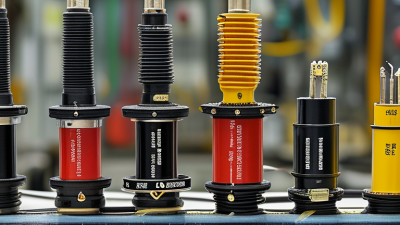
How to Choose the Right Power Cable Assembly?
Choosing the right power cable assembly is a reliability decision, not a simple purchasing exercise. A cable may look robust yet fail under heat, vibration, bending, or repeated mating cycles. The correct choice begins with the equipment’s voltage, current, environment, routing space, and service life.
Industry data reinforces this concern. The International Energy Agency reports that global electricity demand is expected to grow by more than 4% annually through 2026. More connected equipment means more demanding power-distribution systems and greater dependence on dependable cable assemblies. MarketsandMarkets also projects continued growth in the cable assembly market, driven by transportation, industrial automation, aerospace, and data infrastructure. These figures suggest opportunity, but they do not guarantee product quality.
Specification matters most.
Engineers should verify conductor size, insulation temperature rating, shielding, connector compatibility, bend radius, and required certifications. IPC/WHMA-A-620 provides widely recognized requirements for cable and wire harness workmanship, while UL and IEC requirements may apply to specific products or regions. A properly designed cable assembly power solution should also address voltage drop, short-circuit protection, strain relief, and moisture exposure.
In real installations, small oversights become expensive. A connector may loosen beside a vibrating motor. A cable may overheat inside a crowded cabinet. A bend radius may look acceptable during assembly but fail after months of movement. Engineers sometimes focus too heavily on price. That is a mistake worth revisiting. The strongest selection combines verified testing, traceable materials, qualified assembly, and practical field experience. This guide explains how to evaluate those factors before choosing a power cable assembly.
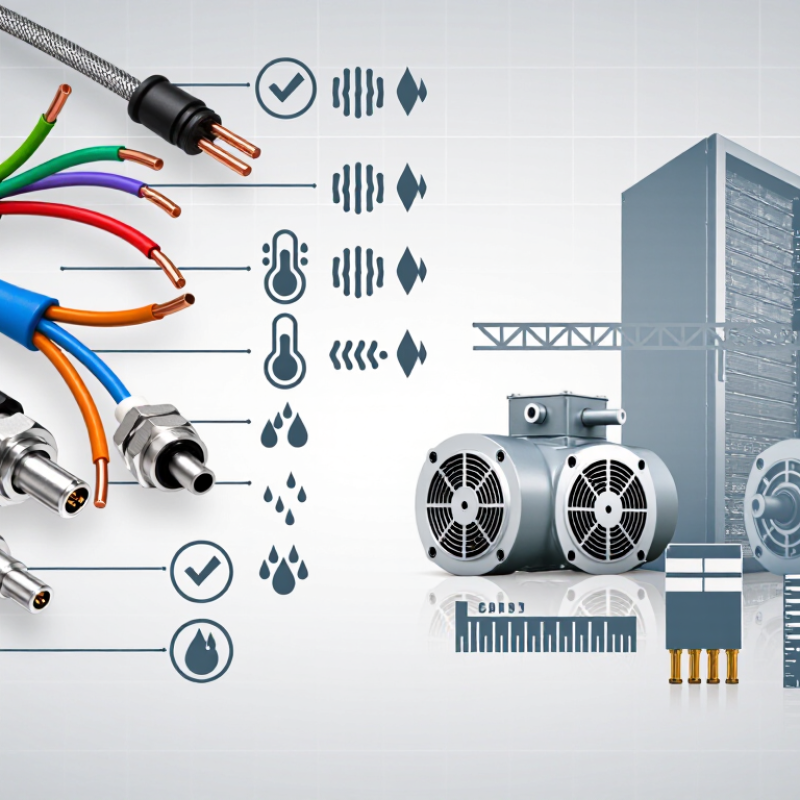
Defining the Application and Power Cable Assembly Requirements
How to Choose the Right Power Cable Assembly?
Defining the application is the most important design step. A cable assembly must match the equipment, not just the requested voltage. Record the operating voltage, continuous current, peak load, and AC or DC requirements. Note startup surges and duty cycles. A motor may draw far more current during acceleration.
Measure the installation space carefully. Identify the cable length, bend radius, connector orientation, and routing path. A cable that fits on a workbench may fail inside a vibrating enclosure. Check ambient temperature, moisture, dust, oil exposure, and outdoor sunlight. These conditions affect insulation, shielding, sealing, and service life. Allow extra length for maintenance, but avoid loose loops near moving parts.
Select conductor size using current capacity, voltage drop, temperature rating, and installation method. Apply suitable derating when cables share a bundle or operate in hot spaces. Specify contact materials, locking features, strain relief, and protective sleeving. Safety requirements may also call for grounding, insulation resistance, flame performance, or ingress protection.
Practical testing matters. Inspect crimp quality, verify continuity, and perform pull-force checks on sample assemblies. Measure insulation resistance before installation. I have seen a technically correct design fail because the connector release tab was inaccessible. That detail was missed during drawing review. A spreadsheet cannot reveal every field problem. Review the assembly with installers and maintenance staff before production. Some requirements will change. That is useful, not embarrassing.
Selecting Suitable Cable Materials, Connectors, and Protection
How to Choose the Right Power Cable Assembly?
Selecting a power cable assembly starts with the load, environment, and termination method. The IEA’s Electricity 2024 report forecasts global electricity demand to grow by about 3.4% annually through 2026. That pressure makes reliable material selection increasingly important. Copper provides high conductivity and compact sizing, while aluminum reduces weight and material cost. However, aluminum needs suitable terminations because oxide layers can increase contact resistance. Insulation also matters. PVC suits general installations, while XLPE and elastomeric materials handle higher temperatures or repeated movement. Check temperature, oil exposure, moisture, and flame requirements against IEC 60502 guidance.
Connectors must match more than voltage and current ratings. Confirm contact plating, pin arrangement, locking strength, ingress protection, and vibration resistance. A connector rated at 20 amperes may reach that value only under specific ambient conditions. Derating is easy to overlook. Keep it visible. Crimp quality is equally important, so verify conductor size, pull-out strength, and crimp height using controlled inspection methods. A slightly larger terminal is not automatically safer.
Protection should cover overload, short-circuit energy, abrasion, bending, and accidental strain. Add fuses or circuit breakers near the power source, then select insulation and shielding for the fault environment. The U.S. Department of Energy’s National Transmission Needs Study identifies major capacity expansion needs by 2030, reinforcing the value of scalable and maintainable assemblies. Do not trust a datasheet alone. Installation space, routing, and service access can change the real result. Recheck the design after testing, because the first selection is sometimes only an educated guess.
Checking Safety Standards, Compatibility, and Performance Ratings
Choosing the right power cable assembly starts with safety, not appearance.
Check the required safety standards for your region and application. Look for clear markings, test records, and traceable inspection documents. A cable may look robust yet fail under heat, moisture, or repeated bending.
Compatibility matters just as much. Confirm the voltage, current, connector type, pin arrangement, and cable length. The conductor size must support the expected load without excessive heating. Also check insulation materials and outer-jacket resistance. For outdoor equipment, water, sunlight, and temperature changes can quickly expose weak designs. During practical inspections, small details often matter, such as a loose strain relief or a connector that fits but locks poorly. Fit is not proof of compatibility.
Tips:
Compare the assembly’s voltage and current ratings with your equipment’s worst operating conditions. Leave a sensible margin. Test the cable in its real installation space, especially near sharp edges or moving parts. Review bending radius and flex-cycle ratings before repeated-motion use. Do not rely only on a supplier’s general description; request technical drawings and verification data. I have found that cable selection is sometimes rushed, and that shortcut can create avoidable failures. Recheck the assumptions. A second review is worthwhile. Performance ratings should match continuous use, startup loads, and the surrounding environment, not just normal laboratory conditions.