Essential Tips for Choosing the Right DC Charging Connector
When selecting a Dc Charging Connector, several factors come into play. The right connector ensures efficiency and compatibility with electric vehicles. It is essential to understand the specifications and standards governing these connectors. The diversity in designs and functions can be overwhelming. However, making an informed choice is crucial for a seamless charging experience.
A reliable DC Charging Connector not only affects charging speed but also impacts the longevity of the battery. It's vital to consider the power output and connector type based on vehicle requirements. While many may overlook these details, they can lead to significant problems later on. The market is flooded with options, making it essential to filter through them effectively.
Choosing the correct DC Charging Connector requires careful consideration. Relying solely on brand names may not be enough. Users often learn the hard way about compatibility issues or reduced performance. Evaluate your needs, research extensively, and always seek expert opinions. Making the right choice can enhance overall charging effectiveness and satisfaction.
Understanding the Different Types of DC Charging Connectors on the Market
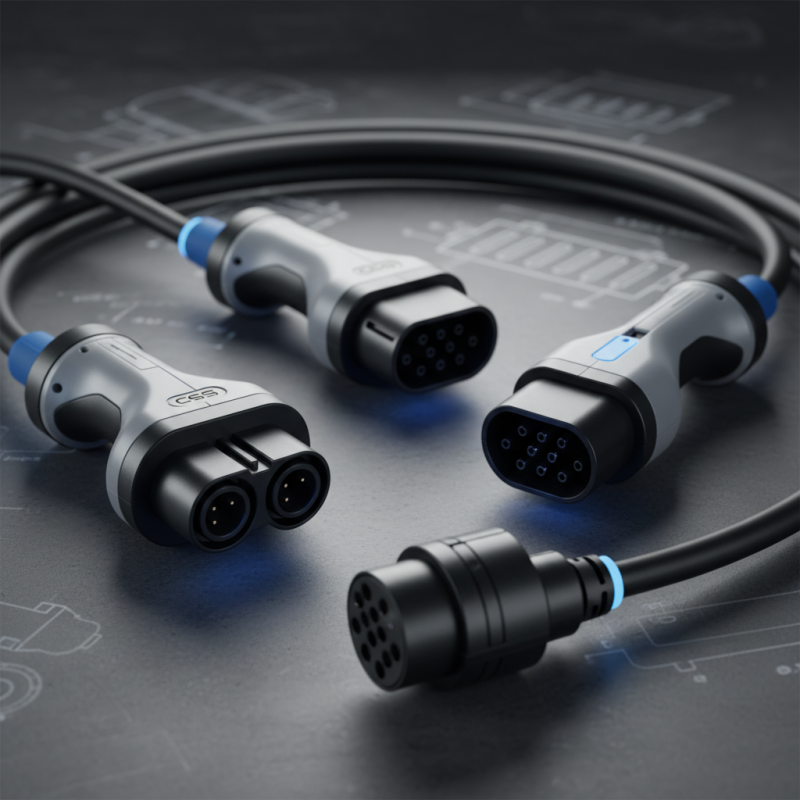
When choosing a DC charging connector, understanding the various types available can be overwhelming. Each type serves a specific purpose and has distinct characteristics. For instance, CHAdeMO connectors are commonly associated with Nissan and other Japanese manufacturers. They are user-friendly and allow for rapid charging. On the other hand, CCS (Combined Charging System) connectors are gaining traction in Europe and North America. They support higher voltages and are compatible with a growing number of electric vehicles.
It's essential to consider compatibility when selecting a connector. Different EV models require specific types. An incompatible connector can lead to frustration and delays. Moreover, the design and robustness of the connector matter for long-term use. A well-built connector can withstand weather conditions and frequent handling.
However, not every solution fits every scenario. Some may find certain connectors easier to use, while others might prefer features that enhance speed. Reflecting on these preferences can lead to better choices. Whether you're a consumer or a manufacturer, knowledge about each connector's capabilities and limitations can significantly impact your decision-making process.
Key Specifications to Consider When Selecting a DC Charging Connector
Choosing the right DC charging connector involves several key specifications. First, consider the voltage and current ratings. Different applications require varying power levels. For instance, commercial charging stations often need higher ratings, while home chargers may not. Consult the specific requirements of your vehicle and infrastructure.
Next, look at connector types and compatibility. Not all connectors fit all vehicles. Research the standards used in your region. Notably, connector design affects user experience. Some connectors are easier to handle, while others may pose challenges in terms of alignment.
Another important aspect is the durability of the connector. Check the materials used. High-quality connectors resist wear and tear better. This can reduce long-term costs. However, cheaper options may fail sooner, leading to unexpected downtime. Reflect on your choices and their long-term implications. Make informed decisions for a dependable charging experience.
Essential Tips for Choosing the Right DC Charging Connector - Key Specifications to Consider When Selecting a DC Charging Connector
| Specification | Description | Typical Value | Considerations |
| Connector Type | The physical design of the connector. | Type 1, Type 2, CCS, CHAdeMO | Compatibility with existing chargers and vehicles. |
| Current Rating | Maximum current the connector can handle. | 40A, 80A | Ensure it meets the charging requirements of the vehicle. |
| Voltage Rating | Maximum voltage the connector can withstand. | 400V, 600V | Same as the vehicle’s battery system voltage. |
| Durability | Number of insertions and general wear and tear. | >10,000 cycles | Consider the environmental conditions where connectors will be used. |
| Safety Standards | Compliance with electrical safety standards. | IEC 62196, UL 2251 | Check for certifications relevant to your region. |
The Role of Standardization in DC Charging Connector Selection
Choosing the right DC charging connector is crucial for the electric vehicle (EV) market. Standardization plays a significant role in this selection. According to a report by the International Energy Agency, the global EV market saw a growth of over 40% in 2020. As demand rises, so does the need for standardized connectors. Standardization ensures compatibility between various EVs and charging stations. It reduces the risk of equipment failure and enhances user convenience.
Many industry experts emphasize that a unified standard can streamline the charging process. For instance, the Combined Charging System (CCS) is becoming mainstream, representing nearly 60% of fast chargers deployed globally as of 2022. However, bridging the gap between various standards remains a challenge. Some regions still use outdated connections that hinder interoperability.
Regulatory bodies are working to address this issue, but progress has been uneven. Electric vehicle manufacturers and charging infrastructure providers need to collaborate. The pace of adoption for standardized connectors can differ significantly across markets. This inconsistency can lead to confusion among consumers and delays in charging infrastructure rollout. Facilitating a unified approach may enhance overall user experience, but aligning different stakeholders poses a complex challenge.
Evaluating Compatibility with Electric Vehicles and Charging Stations
When selecting the right DC charging connector, compatibility with electric vehicles (EVs) and charging stations is crucial. Recent reports indicate that there are numerous standards and connectors available in the market. The International Electrotechnical Commission (IEC) suggests that the CCS (Combined Charging System) is the dominant connector type, found in over 80% of new EVs. This shows the importance of understanding which connectors are widely used in your region.
It's not just about the connector type; manufacturers' specifications also play a critical role. Some vehicles have unique requirements, which might seem minor but can significantly impact charging efficiency. For instance, a report by the U.S. Department of Energy states that charging speeds can vary up to 30% based on connector compatibility and the vehicle's onboard charger capacity. Evaluating these factors before purchase is essential to ensure a smooth charging experience.
However, not all connectors are universally compatible. Users often face challenges when using different charging networks. A survey published in the Journal of Electric Vehicles found that 40% of EV owners encountered issues with connector compatibility at public charging stations. This statistic highlights the need for a thorough understanding of the local charging infrastructure. Balancing charging station availability and connector options is an ongoing challenge for EV users.
Future Trends in DC Charging Connector Technology and Their Implications
The evolution of DC charging connectors presents exciting possibilities for the future of electric vehicles. As technology advances, experts predict connectors will become more versatile and user-friendly. The ongoing development of international standards will simplify the charging process, making it seamless for users worldwide.
One significant trend is the push for higher power ratings. Connectors capable of delivering faster charging could drastically reduce the time spent at charging stations. However, higher power output requires robust safety protocols to avoid hazards. Designing reliable connectors that manage heat and electrical loads will be a critical challenge.
Innovations like wireless DC charging are on the horizon. Although promising, this technology raises questions about efficiency and practicality. The shift towards smart charging solutions, which communicate with vehicles and grid systems, requires careful consideration of data security. As these trends unfold, ongoing research and collaboration among engineers will be vital to address potential pitfalls.