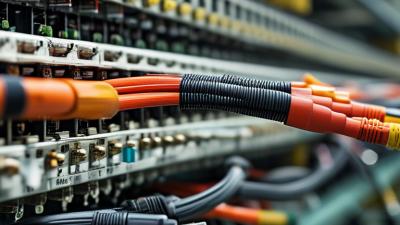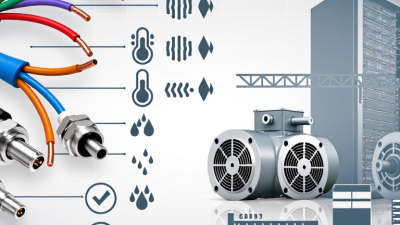
The 2026 assembly cable market is moving toward smarter choices, not simply lower prices. Buyers now compare signal integrity, flexibility, shielding, connector quality, and documented testing. A cable can look excellent and still fail inside a moving machine.
Dr. John H. Lau, a recognized electronics interconnection expert, has often emphasized, “Reliability is designed in, not inspected in.” That principle applies directly to assembly cable selection. The best cable starts with a clear application review. Temperature matters. So do bending cycles, voltage, current, chemical exposure, and installation space.
This guide examines the top assembly cable types expected to influence purchasing decisions in 2026. It considers molded cable assemblies, custom harnesses, shielded signal cables, coaxial assemblies, ribbon cables, and high-flex robotic cables. Each option serves a different working environment.
Do not choose by appearance alone.
A medical device may need clean routing and stable signal performance. An industrial robot may need millions of repeated flex cycles. An automotive system may demand heat resistance, vibration control, and secure locking connectors. Meanwhile, data equipment increasingly depends on controlled impedance and reliable high-speed transmission.
Supplier evidence also matters. Look for dimensional drawings, material specifications, test reports, traceability records, and sample validation. Certifications help, but they do not replace application testing. That is an easy point to overlook.
Some buying decisions remain imperfect. Product catalogs may use broad terms, while real operating conditions are more demanding. Careful buyers should challenge assumptions, request samples, and test the assembly cable before approving volume production.
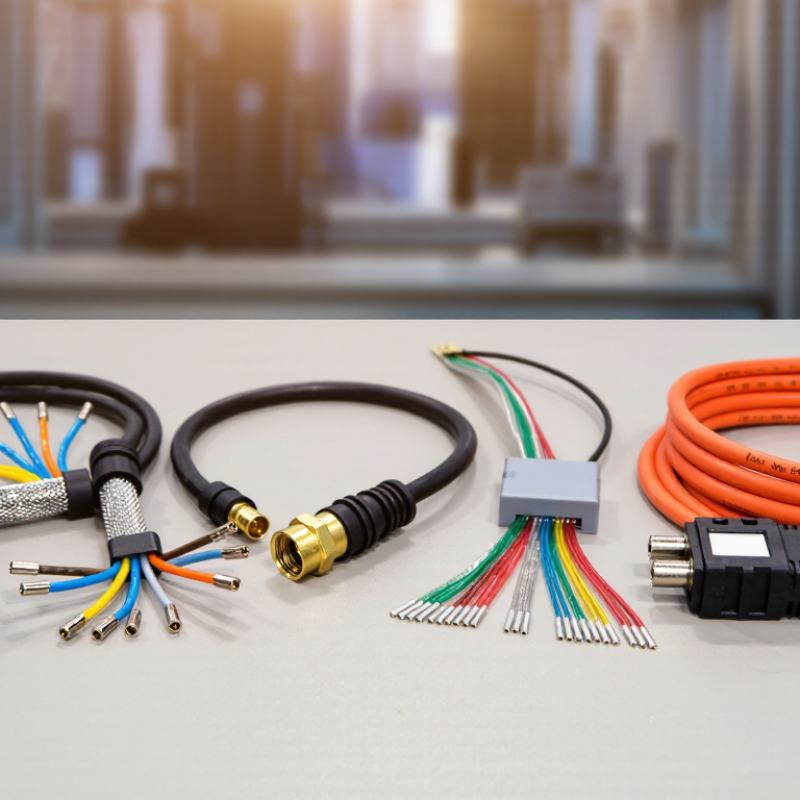
Assembly cables are prepared cable systems with conductors, insulation, connectors, and protective coverings. They arrive ready to install, reducing field wiring and connection errors. Unlike loose wires, each assembly is built for a defined length, interface, and working environment. That distinction matters. In 2026, buyers commonly compare coaxial, twisted-pair, ribbon, power, and high-flex cable assemblies. Coaxial types support cameras, antennas, and measurement equipment. Shielded twisted-pair assemblies suit industrial networks and data signals. Ribbon cables fit compact control panels and board-to-board connections. Power assemblies handle motors, lighting, and battery equipment. High-flex versions serve robotic arms and moving production systems.
Selection should begin with actual operating conditions, not only connector shape. Check voltage, current, signal frequency, temperature, bend radius, and exposure to oil or dust. A cable that fits perfectly may still fail during repeated movement. In factory inspections, reliable suppliers test continuity, insulation resistance, shielding performance, connector retention, and bend-cycle durability. These records help buyers trace quality problems later. I have seen neat drawings create poor results when the cable route was ignored. The listed bend radius also may not reflect real installation space. That is an uncomfortable detail, but it deserves review. Small prototypes, documented inspections, and clear tolerance requirements often reveal weaknesses before full production.
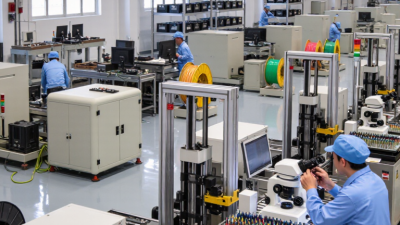
The main assembly cable types available in 2026 serve different electrical and mechanical needs.
Single-core cables suit simple power paths, control panels, and short internal connections. Their clear structure makes inspection easier, especially during manual assembly. Multi-core cables reduce wiring clutter by combining several conductors inside one jacket. They work well in sensors, machinery, and compact control systems.
Shielded twisted-pair cables remain practical where signal noise could weaken data accuracy. The twisted conductors limit interference, while the shield adds another protective layer.
Coaxial cables support high-frequency signals and controlled impedance requirements. They are common in testing equipment, communication modules, and imaging systems.
Flat ribbon cables save space between boards and connectors. However, repeated bending can damage them sooner than expected.
Fit matters.
Flexible flat cables offer tighter routing in moving or narrow assemblies. Their bend radius must be checked before production, not after failure reports arrive.
Braided cables provide mechanical flexibility and abrasion resistance for moving equipment. Some assemblies also use hybrid cables, combining power, signal, and shielding in one housing. This can simplify installation, but repairs become less straightforward.
Buyers should examine conductor size, insulation temperature, bend cycles, shielding coverage, connector compatibility, and operating environment.
I have seen cable selections fail because only current capacity was reviewed. Moisture, vibration, oil, and repeated movement often matter more.
A cable can pass an electrical test and still wear out quickly.
Supplier documentation should include test methods, tolerances, and traceable inspection records. Even experienced teams occasionally overlook routing space.
In 2026, buyers should compare assembly cables by working conditions, not appearance. A compact cable assembly may use molded strain relief, braided shielding, or a flexible overmold. These choices affect bend life, signal stability, and service time. Keep the route in mind. A cable for a moving arm needs finer strands and a tighter bend radius than a fixed cabinet cable. That difference is easy to miss.
Materials shape performance. PVC suits many general-purpose indoor assemblies and stays economical. PUR resists abrasion, oils, and repeated movement more effectively. Silicone remains soft across wide temperatures, but it can tear under sharp mechanical stress. Fluoropolymer insulation handles heat and chemicals well, though it often costs more and feels less flexible. I once prioritized temperature ratings and overlooked abrasion. The cable passed bench tests, yet the outer jacket wore quickly during installation. Field conditions are less polite.
Connectors also change assembly reliability. Threaded connectors can resist vibration, while latch-style connectors speed maintenance. Gold-plated contacts may help with low-level signals, but plating thickness and contact force matter more than appearance. Choose sealed connectors for dust or moisture exposure, and verify the ingress rating through test documentation. Check pin count, keying, wire gauge, and mating cycles before ordering. Ask for samples. Measure pull force, continuity, insulation resistance, and bend performance. Documentation can be incomplete, so record the test setup, temperature, and cable length. A cheaper assembly may become expensive when rework begins.
The right assembly cable depends on equipment stress, signal speed, movement, and installation conditions. MarketsandMarkets projects the global cable assembly market will reach about USD 89 billion by 2028, supported by automation, vehicles, and communication equipment. This growth does not make every cable suitable. It makes specification discipline more important.
Wire harnesses fit control cabinets, appliances, and vehicle systems with many low-voltage circuits. High-flex cables suit robotic arms, CNC equipment, and automated conveyors. They need fine-stranded conductors, strong jackets, and verified bend-cycle ratings.
Coaxial assemblies support antennas, test instruments, and wireless infrastructure. For servers and imaging equipment, shielded high-speed assemblies help protect data integrity. Shorter routes usually reduce insertion loss.
Different industries demand different details. Medical equipment requires clean materials, stable impedance, and documented traceability. Industrial environments often require oil resistance, vibration tolerance, and secure locking. Renewable-energy systems need power assemblies that handle heat, moisture, and repeated outdoor exposure.
The International Energy Agency reported that global data-centre electricity demand could more than double by 2026, increasing demand for reliable power and high-speed interconnects. Still, buyers sometimes choose by connector appearance alone. That is a costly mistake. A cable may pass initial testing yet fail after heat, motion, or repeated mating cycles. Review the equipment interface, operating temperature, bend radius, shielding, certifications, and lifecycle test evidence before approval. Perfect specifications are rare; documented compromises are safer.
Cable assemblies for 2026 buyers include multi-core, coaxial, twisted-pair, ribbon, shielded, and high-flex designs. Each suits a different electrical and mechanical environment. Do not choose by conductor count alone. A high-flex cable may survive robotic motion, while a ribbon cable can simplify dense board connections. Check bend radius, insulation thickness, connector retention, shielding coverage, and temperature ratings. Ask for samples with clear drawings and revision control.
Quality evaluation should follow the cable’s real installation conditions. Inspect crimp height, pull strength, continuity, and insulation resistance. A clean appearance proves little. Request test records, material declarations, lot identification, and operator inspection criteria. Independent verification can expose weak crimps or inconsistent stripping. I have learned that photographs rarely replace physical samples. Small defects often appear after repeated bending, not during a quick visual check.
Compliance and supply risk need equal attention. Confirm applicable safety, environmental, and industry requirements before approving a design. Then compare total cost, including tooling, testing, packaging, freight, and rework. A cheaper assembly may create longer approval cycles or hidden failure costs. Check approved substitutes, raw material lead times, minimum order quantities, and second-source feasibility. Keep change notifications contractual. Our checklists have missed small connector changes before. That uncomfortable lesson supports quarterly reviews, not one-time supplier audits.
Precision Cable Assemblies
16830 Pheasant Drive
Brookfield, WI 53005
Phone: 262-784-7887
Fax: 262-784-0681